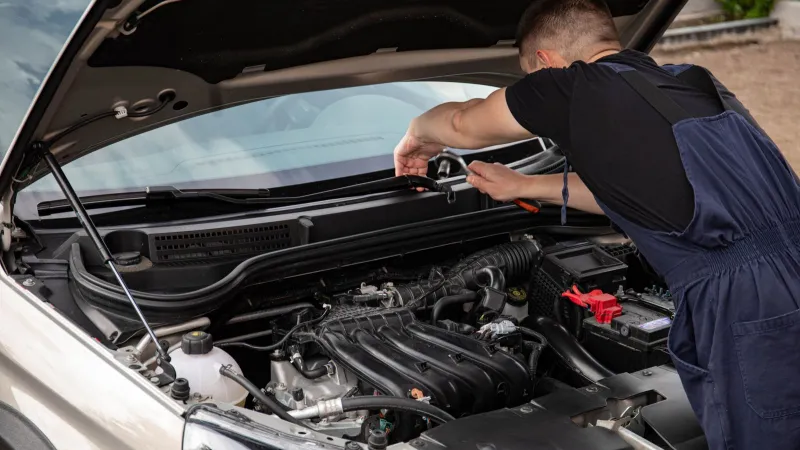
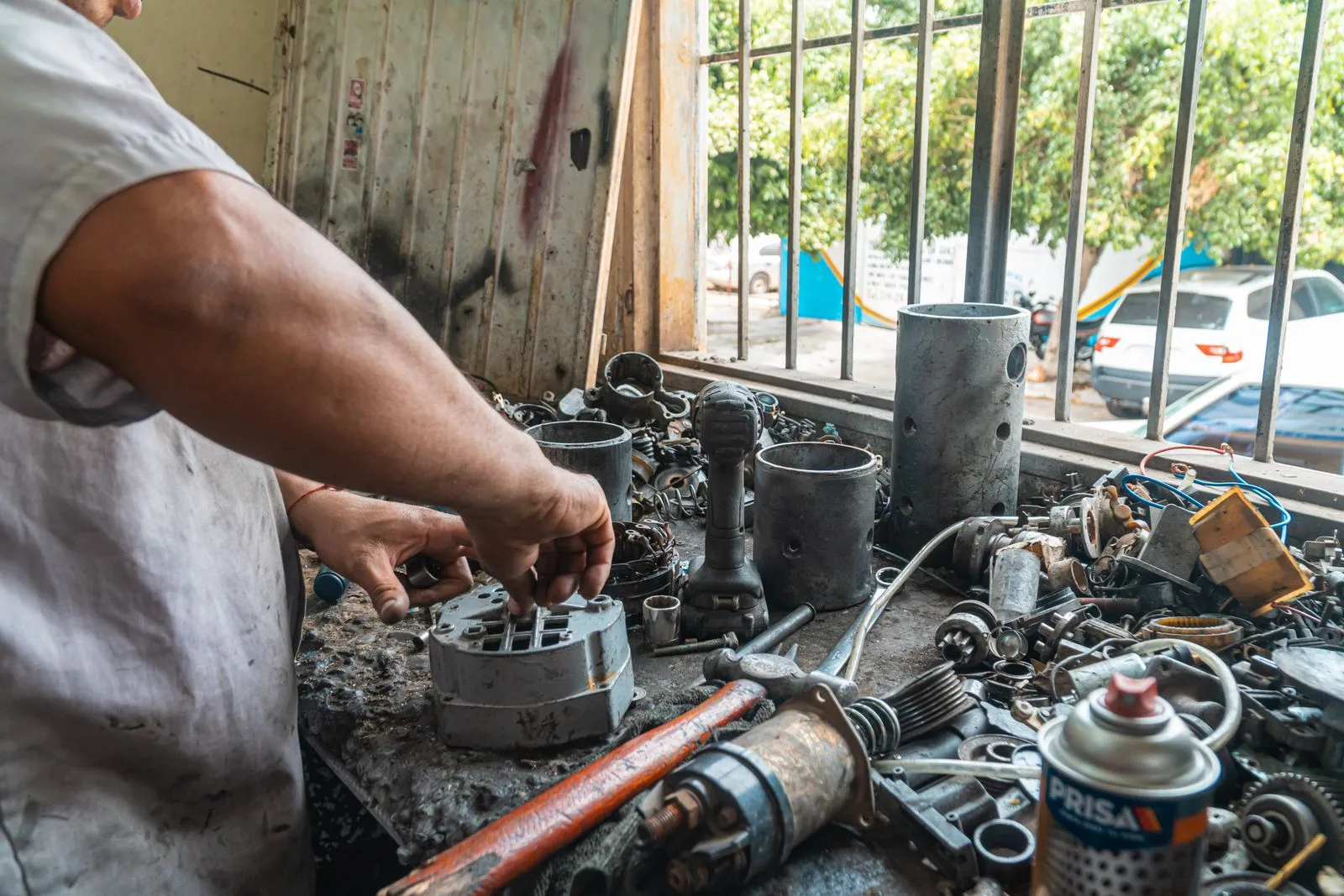
When a part fails you usually get two options: the original part from the car maker, or an aftermarket alternative. The right choice depends on the part, the car and your budget.
What the words mean
- Genuine parts are made to the car maker's specification and carry its branding.
- Quality aftermarket parts come from established manufacturers and are designed to fit and perform like the original.
- Low-grade copies imitate the look of a part but not its materials or tolerances. These are the ones to avoid.
When genuine is worth it
Choose genuine for parts where a failure is dangerous or very expensive: airbags, brake components, engine management sensors and timing parts. Many of these also need exact specification to work with the car's computer.
When a quality alternative is sensible
Filters, belts, wipers, bulbs, many suspension parts and cosmetic panels are commonly available in good aftermarket versions at a lower price.
How to avoid buying the wrong part
- Give the seller your chassis number so the part is matched to your exact car.
- Ask them to say clearly whether it is genuine or an alternative.
- Keep the old part, or a photo of it, to compare when the new one arrives.
- Buy from a supplier who will take back a part that does not fit.
If you are not sure what your car needs, a diagnostic scan first will tell you whether you are replacing the right part.
Share this article
WhatsApp